

Can an HOA Foreclose on Your Home in Florida? How Liens Work and How to Stop It
The front gate of the neighborhood had been stuck open for eight months. After a dozen unanswered emails to the board, you stopped paying your HOA dues until someone fixed it. Your mortgage was current, and the dues were only a couple hundred dollars a quarter.
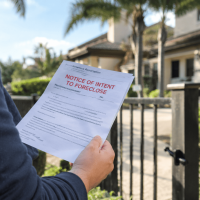
A year later, a letter arrives with a balance several times larger than the dues you skipped. Next to your address is a phrase you never expected to see: intent to foreclose.
This happens across Florida more often than most homeowners realize. An HOA foreclosure follows strict rules, but associations have more power over your home than many people expect, even against Florida’s homestead protection. This guide explains how the process works and the legal tools that can stop it.
Can an HOA Foreclose on Your Home in Florida?
Yes, an HOA can foreclose on your home in Florida, even if your mortgage is current or fully paid off. Under Fla. Stat. § 720.3085, an association can enforce its lien for unpaid assessments the same way a lender forecloses a mortgage. Every HOA foreclosure in Florida goes through court, so a judge must approve the case before your home can be sold.
Foreclosure is not the association’s only option. The law also lets it sue you personally for a money judgment, with or without foreclosing. A judgment can lead to wage garnishment or a frozen bank account, so the risk reaches beyond the house itself.
Why Florida’s Homestead Protection Does Not Stop an HOA
Florida’s homestead exemption is the reason a typical creditor’s judgment lien usually cannot force the sale of your home. HOA liens are different. Their rights come from the declaration of covenants, recorded when the community was created and usually long before you bought your home.
In Bessemer v. Gersten (1980), the Florida Supreme Court held that an HOA lien relates back to the date the declaration was recorded. Because the lien came first, it wins over homestead rights established later. Fines are the main exception: courts have suggested that liens for fines generally cannot be foreclosed on a homestead unless the declaration treats fines the same as assessments.
How an HOA Lien Gets Placed on Your House
An HOA lien is a legal claim against your property that secures money owed to the association. To enforce it, the association must first record a claim of lien in the county public records. Once recorded, the lien secures much more than the missed dues:
- Unpaid assessments, including any that come due after the lien is recorded.
- Interest and late charges on every overdue amount.
- Collection costs and attorney fees the association spends pursuing the debt.
Not every charge can become a lien. Under Fla. Stat. § 720.305, a fine of less than $1,000 cannot become a lien on your property. And if you correct a violation before the fining hearing, the fine cannot be imposed at all.
The Florida HOA Foreclosure Process, Step by Step
Florida requires associations to send specific notices in a fixed order, and each one starts its own waiting period. Because skipping a step or using the wrong form can become a defense later, the date on every letter matters:
| Step | What Happens | Waiting Period |
| 1. Notice of late assessment | The HOA lists what you owe and gives you a chance to pay without attorney fees. | 30 days |
| 2. Notice of intent to record a claim of lien | A formal demand sent by certified and first-class mail. | 45 days |
| 3. Claim of lien recorded | The lien becomes part of the county public records. | After step 2 expires |
| 4. Notice of intent to foreclose | A final warning that a lawsuit is coming. | 45 days |
| 5. Foreclosure lawsuit | The HOA files in circuit court, and you are served. | Set by the court |
| 6. Judgment and sale | If the HOA wins, the clerk sells the home at public auction. | Set by the court |
Most of this timeline runs before any lawsuit is filed. Responding at the first or second notice usually gives you the most room to resolve the debt cheaply.
Why a Small HOA Balance Grows So Fast
Many owners are shocked when a few months of missed dues turn into a balance several times larger. Florida law allows several charges to stack on top of the original assessments:
- Interest: at the rate set in your governing documents, or 18% per year if they set none.
- Late fees: up to $25 or 5% of each late installment, whichever is greater, if your documents allow them.
- Attorney fees and costs: added once the collection process moves past the first notice.
The order in which payments are applied makes it worse. Every payment goes first to interest, then to late fees, then to collection costs and attorney fees, and only then to the assessments themselves. A partial payment can be absorbed entirely by fees, and a note on your check directing it elsewhere does not change that order.
What Happens to Your Mortgage After an HOA Foreclosure Sale
An HOA foreclosure does not wipe out your first mortgage. Against a first mortgage, the HOA lien only counts from the day its claim of lien was recorded, so the bank stays ahead. Whoever buys the home at the HOA sale takes it subject to that mortgage, which means you can lose the house and still owe the loan.
Even after the court rules, two rights may remain:
- Right of redemption: you can generally still keep the home by paying the full judgment amount before the clerk files the certificate of sale.
- Surplus funds: if the home sells for more than the judgment, you may be able to claim the excess from the court.
How to Stop an HOA Foreclosure in Florida
The earlier you act, the more options you have. Paying the amount in the first notice can avoid attorney fees entirely. Once the debt moves toward a lawsuit, these become the main tools for stopping it.
Challenging the Lien or the Notices
Florida courts expect associations to follow the statute exactly, and a missed step can defeat a lien or a lawsuit. Common grounds for a challenge include:
- Defective notices that were sent late, to the wrong address, or by the wrong method of mail.
- Improper charges, such as fines under $1,000 or attorney fees added before the notice of late assessment.
- Fines imposed without at least 14 days’ notice and a hearing before an independent committee.
- Payments credited incorrectly or not credited at all.
You can also force the association’s hand by recording a notice of contest of lien. Once it is served, the HOA has 90 days to file a foreclosure lawsuit, or the lien becomes void.
Making a Qualifying Offer
After you are served with a foreclosure lawsuit, Florida law allows you to file a qualifying offer. This is a written promise to pay everything the lien secures by a specific date, and filing it stays the foreclosure for up to 60 days. To be valid, the offer must:
- Be signed by every owner, plus any spouse who lives in the home or claims homestead in it.
- Be notarized, filed with the court, and delivered to the association’s attorney before a foreclosure judgment.
- Be the only one in the case. It is not available while a mortgage foreclosure, tax certificate sale, or bankruptcy is pending, or once trial is set within 30 days.
If the payment date passes without full payment, the stay ends and the association can move straight to judgment.
Negotiating a Payment Plan
Most associations would rather collect the money than own a house. A board may agree to a payment plan or reduce some of the fees, especially early in the process. Any agreement should be in writing, state the exact balance, and confirm that the HOA will dismiss the lawsuit or release the lien once the payments are complete.
Can Bankruptcy Stop an HOA Foreclosure?
Yes. Filing for bankruptcy triggers the automatic stay, which halts an HOA foreclosure immediately, even when a sale date has been set. Chapter 13 bankruptcy lets you catch up on past-due assessments over three to five years while keeping your home. New dues still have to be paid as they come due.
Chapter 7 works differently. It can erase your personal liability for past-due assessments, but a recorded lien generally survives and stays attached to the property. Our guide to association debts and bankruptcy explains which charges can and cannot be discharged.
Talk to The Port Law Firm About an HOA Foreclosure in Florida
An HOA foreclosure runs on a schedule set by statute, and every notice shortens the time you have to respond. The Port Law Firm represents Florida homeowners, not associations, in disputes over HOA liens and foreclosures. Our services include:
- Notice and Lien Review: checking every letter, deadline, and charge for errors that can support a defense.
- Foreclosure Defense: answering the lawsuit and raising procedural defenses through our foreclosure defense practice.
- Qualifying Offers and Negotiation: preparing offers that stay the case and negotiating payment plans in writing.
- Bankruptcy Evaluation: determining whether Chapter 13 can stop the sale and spread out what you owe.
Contact The Port Law Firm today for a free consultation.
Frequently Asked Questions
| Question | Answer |
| Does an HOA lien affect my credit? | Not directly. Credit reports no longer list liens as public records. However, the lien appears in title searches and can block a sale or refinance until it is paid, and a debt sent to a collection agency may still show up on your report. |
| How long does a Florida HOA have to foreclose its lien? | Generally five years from the date the unpaid assessment came due. Condominium associations face a much shorter deadline, usually one year after recording their lien. |
| Is Florida a super lien state for HOA dues? | Not in the full sense. When a bank forecloses and has named the HOA in its lawsuit, its liability for past-due dues is capped at the lesser of 12 months of assessments or 1% of the original mortgage. The former owner can still be pursued personally for the rest. |
| Can I stop paying dues if the HOA is not maintaining the community? | No. Florida law says your obligation to pay cannot be avoided because common areas are unusable or poorly maintained. Disputes with the board need to be raised separately, while the dues stay current. |
| If I buy a home with unpaid HOA dues, do I owe them? | Yes. A new owner is jointly liable with the previous owner for assessments unpaid at the time of transfer. An estoppel certificate from the association before closing shows exactly what is owed. |


